

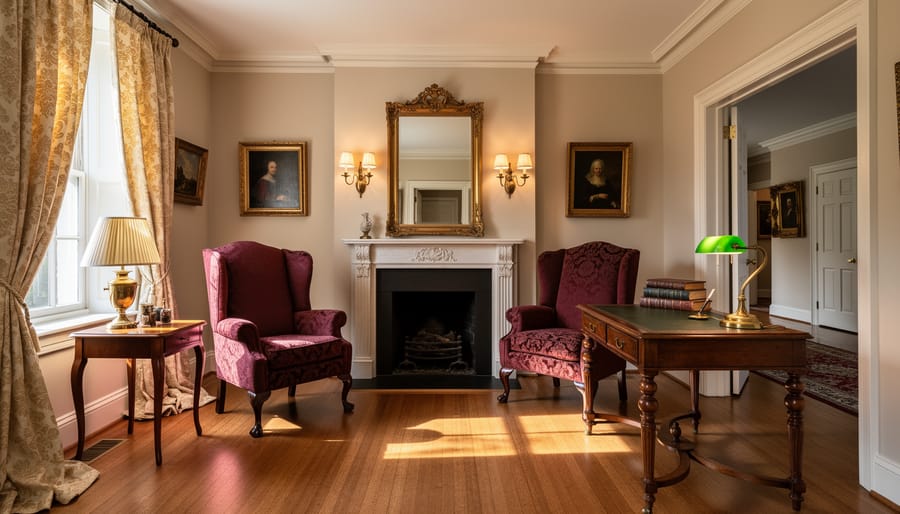
Traditional home decor brings together timeless elegance, rich layering, and classical symmetry to create living spaces that feel both refined and deeply comfortable. This design style, rooted in 18th and 19th-century European aesthetics, emphasizes quality craftsmanship, ornate details, and a warm color palette of creams, browns, burgundies, and golds. Unlike minimalist trends, traditional decor celebrates abundance: layered textiles, matched furniture sets, crown molding, and carefully curated accessories that tell a story of permanence and heritage.
What makes traditional decor particularly relevant in 2026 is its flexibility. While purists might envision a formal Victorian parlor, contemporary interpretations allow you to weave traditional elements into modern life without sacrificing comfort or personality. You can honor the style’s core principles while incorporating global influences, from the intricate woodwork of Asian craftsmanship to the textile traditions of Middle Eastern design.
The appeal goes beyond aesthetics. Traditional spaces foster a sense of grounding that many homeowners crave. The style’s emphasis on symmetry creates visual calm, while its rich textures and layered approach to fabric and furnishings make rooms feel inherently welcoming. Think wingback chairs flanking a fireplace, damask drapes pooling gracefully on hardwood floors, or an antique writing desk paired with family heirlooms.
This guide walks you through everything you need to transform your home with traditional decor, from foundational design principles to practical sourcing strategies. Whether you’re furnishing an entire home or adding classic touches to a single room, you’ll discover how to make this enduring style work for your space and lifestyle.
What Makes Traditional Home Decor Different (And Why It’s Trending Again)
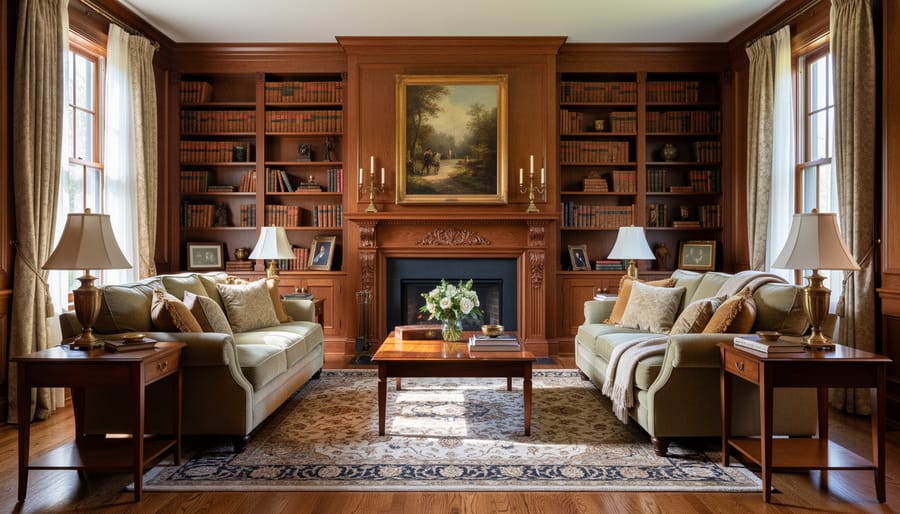
Traditional home decor isn’t just about recreating a historical look. It’s a design approach rooted in balance, craftsmanship, and enduring elegance, qualities that feel increasingly precious as we move further into 2026. Where contemporary minimalism strips down to essentials and maximalism celebrates excess, traditional design occupies a middle ground that prioritizes comfort, richness, and a sense of permanence. Think of a room where a carved mahogany sideboard anchors one wall, a Persian rug defines the seating area, and layered drapery frames tall windows. Everything has weight, purpose, and a story.
At its core, traditional decor follows a few defining principles that give it a distinct identity:
- Symmetry and Balance
- Traditional rooms are arranged with visual equilibrium, matching lamps flanking a sofa, centered artwork above a mantel, pairs of chairs facing each other. This creates a sense of order and calm.
- Classic Color Palettes
- Rich jewel tones like burgundy, navy, and emerald green combine with warm neutrals, cream, taupe, caramel, to create depth without feeling heavy.
- Quality Craftsmanship
- Furniture features solid wood construction, hand-carved details, dovetail joinery, and upholstery built to last decades rather than seasons.
- Layered Textiles
- Velvet throws, silk cushions, damask drapes, and wool rugs add texture and warmth. Traditional spaces never rely on a single fabric.
- Ornate Details
- Crown molding, wainscoting, turned furniture legs, and decorative hardware bring elegance through thoughtful embellishment.
So why is this style experiencing a resurgence right now? Part of it comes down to sustainability. People are tired of replacing furniture every few years. They’re seeking pieces that can be repaired, reupholstered, passed down, the opposite of disposable. Traditional furniture, with its solid construction and timeless silhouettes, fits that desire perfectly.
There’s also an emotional dimension. After years of open-plan living and streamlined interiors, many homeowners crave spaces that feel enveloping and layered. Traditional decor offers that sense of sanctuary, rooms that wrap around you, that accumulate meaning over time. In a world that often feels transient and digital, surrounding yourself with substantial, beautifully made objects creates a tangible connection to place and history. It’s not about living in the past. It’s about bringing forward what’s worth keeping.
The Core Elements That Anchor Traditional Interiors
Furniture That Tells a Story
Traditional furniture earns its place through silhouette and craftsmanship, pieces that reward a closer look. A wingback chair with exposed carved legs, a Chesterfield sofa with deep button tufting, or a sideboard with dovetail joinery and hand-turned details all carry visual weight that grounds a room. These aren’t trendy shapes that date quickly. They’re designs refined over centuries, built to last and improve with age.
Look for furniture with turned or tapered legs, curved arms, and rich wood grains, mahogany, cherry, walnut. Tufted upholstery in leather or linen adds texture and formality without feeling stiff. Antique pieces bring authenticity, but high-quality reproductions work just as well if the construction is solid and the proportions are right.
The key is choosing furniture that feels substantial, not fussy. A single statement piece, like a carved four-poster bed or a claw-foot dining table, can anchor an entire room. Pair it with simpler surrounding elements, perhaps using one of the paint colors 2021 introduced as backdrop shades, and the traditional piece becomes the story your room tells. These are investments that age gracefully, collecting character rather than losing relevance.
Fabrics and Textiles with Heritage
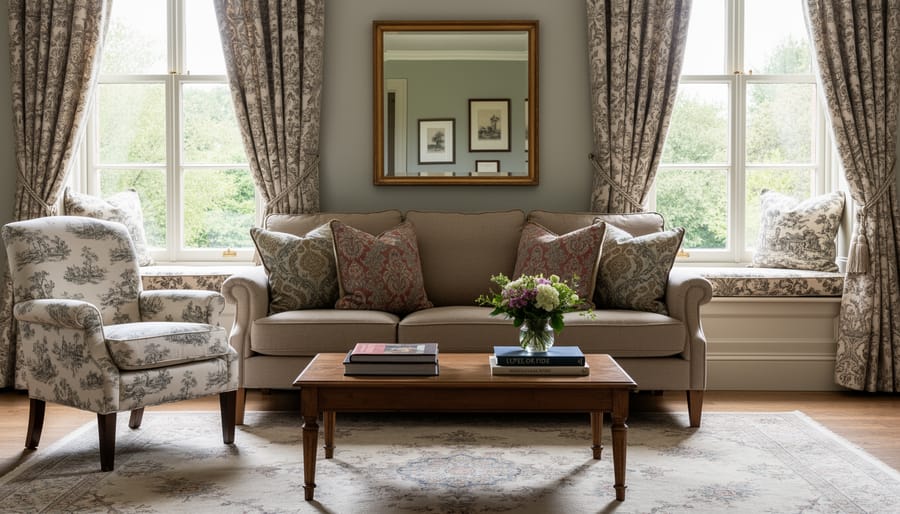
Traditional fabrics carry centuries of craftsmanship in their weave. Velvet brings tactile luxury and light-catching depth, think of how a velvet wingback chair shifts from shadow to sheen as you move through a room. Silk damask, with its raised botanical or geometric motifs, adds formal elegance to drapery panels or pillow covers without overwhelming a space. Tapestry fabrics, whether antique or reproduction, introduce narrative richness through woven scenes or intricate patterns that serve as conversation pieces.
Layering these textiles creates the warmth traditional rooms are known for. Start with a foundation like a wool or silk rug, add upholstered pieces in velvet or linen, then layer in throws, cushions, and window treatments in complementary weights and patterns. Mix a smooth silk cushion against nubby linen, or pair a damask drape with a plain velvet ottoman. The interplay of textures prevents monotony and gives the eye places to rest. Traditional doesn’t mean matchy, it means thoughtfully composed, where each fabric choice adds another note of comfort and heritage.
How to Refresh Traditional Decor Without Losing Its Soul
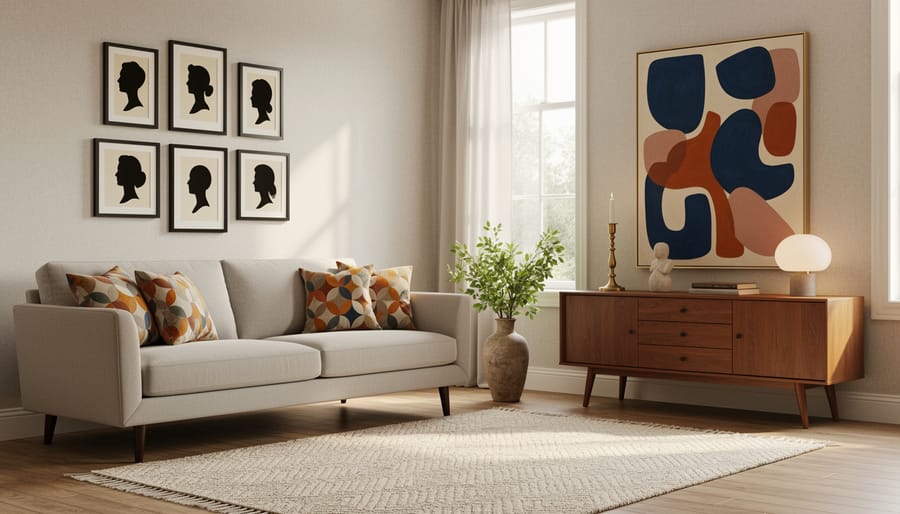
The secret to refreshing traditional decor isn’t about abandoning its defining features, it’s about curating them with intention and pairing them with unexpected counterpoints. Start by lightening your color palette while keeping the richness intact: swap heavy burgundy walls for softer terracotta or muted sage, or let a deep jewel tone appear as an accent rather than dominating an entire room. This approach preserves traditional warmth without the weight that can make spaces feel closed-in or dated.
Mixing eras is where traditional interiors come alive in 2026. Place a sleek glass coffee table in front of a Victorian sofa, or hang a large-scale abstract painting above an ornately carved sideboard. The contrast doesn’t dilute the traditional elements, it actually makes them more visible and interesting. An antique-decorated apartment gains contemporary relevance when punctuated with modern lighting fixtures or sculptural contemporary decor accessories that offer visual breathing room.
Ornate details deserve respect, but they don’t need to appear on every surface. If your dining chairs feature intricate carving, let your table be simpler. If you have elaborate window treatments, consider streamlined upholstery. This kind of minimalist balance prevents traditional rooms from feeling cluttered or overwrought.
Livability matters more than formality now. A traditional living room doesn’t need to be a showpiece that no one uses. Layer in comfortable throws, practical side tables for coffee cups, and seating arranged for actual conversation rather than symmetry alone. Traditional decor should accommodate real life, kids doing homework on the dining table, guests putting their feet up, daily rituals that leave gentle marks of use. The goal is a space that feels collected and loved, not preserved behind velvet ropes.
Cultural Takes on Traditional Style Around the World
Traditional decor isn’t one-size-fits-all. It shifts and breathes depending on where you are in the world, shaped by local history, climate, and cultural values. Understanding these global interpretations can help you craft a traditional space that feels both rooted and personal.
English country traditional leans into relaxed elegance. Think worn leather club chairs, floral chintz that doesn’t take itself too seriously, and Aga stoves anchoring cozy kitchens. The palette stays earthy, mossy greens, butter yellows, soft plaids, and the mood is lived-in rather than precious. Layering is essential: books stacked on side tables, throws draped over sofas, mismatched china displayed on open shelves.
French provincial traditional trades English coziness for a lighter, more refined sensibility. Whitewashed wood, toile de Jouy fabrics, and delicate carved furniture create an airy elegance. The colors skew soft, lavender, pale blue, cream, and there’s a emphasis on natural materials like linen and rush seating. This style balances formality with pastoral charm, making it feel gracious without being stuffy.
American colonial traditional draws from early settler homes, where function mattered as much as beauty. Windsor chairs, pine farm tables, patchwork quilts, and Shaker-style simplicity define the look. The palette is warm and grounded, brick red, navy, mustard, cream, often accented with folk art or hand-forged iron. It’s a style that values craftsmanship and honesty in materials.
Asian traditional decor varies widely by region but often emphasizes balance, natural materials, and intentional restraint. Japanese traditional spaces use low furniture, shoji screens, tatami mats, and minimal ornamentation to create calm. Chinese traditional interiors might feature lacquered wood, carved lattice screens, silk embroidery, and bold red and gold accents. Korean hanok-inspired spaces incorporate underfloor heating, paper doors, and natural wood grains. The common thread is harmony, between materials, between spaces, between form and function.
Mediterranean traditional style reflects the sun-soaked climates of Southern Europe and North Africa. Expect terracotta tiles, wrought iron, stucco walls, and deeply saturated colors, azure blue, burnt orange, golden yellow. Furniture tends to be sturdy and straightforward, with wrought iron or dark wood. Tilework, whether Spanish azulejos or Moroccan zellige, adds pattern and artisanal detail.
Drawing from these global traditions doesn’t mean replicating them wholesale. It means understanding what makes each approach work, the layering, the restraint, the connection to place, and weaving those principles into your own version of traditional.
Where to Find Traditional Pieces That Fit Your Budget
Finding traditional pieces that honor heritage and fit your budget requires knowing where to look and when to shop. The good news? Sources range from free community sales to curated trade events, and each offers distinct advantages.
Estate sales remain one of the best-kept secrets for authentic traditional furniture. You’ll find solid wood pieces, vintage textiles, and decorative objects with genuine patina, often at a fraction of retail prices. Arrive early for the best selection, or wait until the final day when sellers slash prices to clear inventory. Online estate sale platforms now make it easy to preview listings and plan your route.
Antique markets and vintage shops offer more curated selections, which means higher prices but also expert vetting. Look for pieces with good bones that need minor refinement rather than perfect specimens. A Chippendale-style chair with worn upholstery costs less and gives you the freedom to choose fabric that fits your palette.
Reproduction furniture deserves serious consideration if you want traditional styling with modern construction and warranties. Many manufacturers produce faithful interpretations of classic designs using quality materials, and the consistency makes furnishing entire rooms more manageable.
For designers, decorators, and dedicated enthusiasts, trade events open access to multiple vendors in one location. The AmericasMart Spring Market (March 3-5, 2026) serves as a mid-season sourcing opportunity featuring furniture, gifts, and home decor. If you’re seeking value, the AmericasMart Spring Cash & Carry (March 23-25, 2026) functions as a semi-annual sample sale where you can discover traditional pieces from numerous exhibitors.
Artisan makers and local craftspeople offer another path, custom pieces built to traditional specifications but scaled and finished for your specific space. Search craft fairs, maker markets, and online artisan platforms for woodworkers, upholsterers, and textile artists working in traditional techniques.
Common Mistakes to Avoid When Decorating Traditional Spaces
The quickest way to make traditional decor feel dated is to over-furnish a room. When every surface holds a decorative object and every wall displays a piece of art, the eye has nowhere to rest. Traditional style thrives on carefully chosen focal points, a statement mirror above the mantel, a single sculptural lamp on a side table, a curated collection of framed prints rather than a wall-to-wall gallery. If you’re working with a small or naturally dark space, resist the urge to fill it with heavy wood pieces that absorb light; instead, brighten dim rooms with lighter upholstery, strategically placed mirrors, and ambient lighting that complements your traditional aesthetic.
Ignoring scale is another common misstep. A grand wingback chair overwhelms a small living room, just as delicate Queen Anne legs get lost in a sprawling great room. Measure your space and choose furniture that allows comfortable movement and visual breathing room. Similarly, don’t neglect lighting; traditional interiors rely on layered light sources, table lamps, sconces, chandeliers, to create warmth and depth, not just a single overhead fixture.
The most encouraging news? Traditional decor forgives imperfection. Mix wood finishes, combine patterns in complementary scales, display inherited pieces alongside flea market finds. Your home should tell your story, not replicate a period museum. Start with one anchor piece you love, then build around it with intention rather than trying to achieve a perfect match from the start.
Traditional home decor isn’t about recreating a museum or living in someone else’s past. It’s about building spaces that feel rooted, intentional, and genuinely yours. The beauty of this style lies in its flexibility, you don’t need to commit to a full room overhaul or hunt down every antique piece at once. Start small. A wingback chair in the corner of your living room. A set of damask curtains that frame your favorite view. A carved wood console table that welcomes you home each day.
As you layer these elements over time, you’ll discover that traditional decor isn’t static, it evolves with you. Mix in a contemporary art piece that makes you smile. Lighten a palette that feels too heavy. Edit out anything that doesn’t serve your daily life. This style thrives when it honors both heritage and the present moment, when it reflects not just what was, but who you are now. Trust your instincts, take your time, and enjoy the process of creating a home that feels grounded, graceful, and completely your own.
