

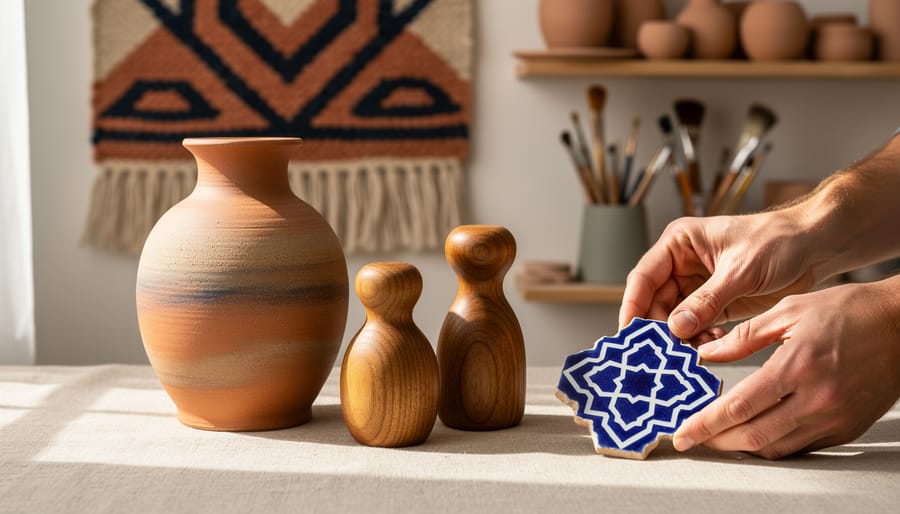
Handcrafted home decor transforms ordinary spaces into meaningful expressions of personal style while supporting artisan communities around the world. In 2026, with the home decor market valued at $139 billion, choosing handmade pieces offers something mass production never can: authentic craftsmanship, sustainable materials, and designs that tell a story. These aren’t just decorative objects. They’re conversations with makers who’ve spent years perfecting traditional techniques, from Moroccan ceramic artists hand-painting zellige tiles to Japanese woodworkers applying generations of joinery knowledge.
The appeal goes beyond aesthetics. When you select a hand-thrown pottery vase or a woven textile wall hanging, you’re investing in quality that lasts, pieces that age beautifully rather than fall apart in a season. You’re also making an ethical choice that directly supports small-scale artisans and preserves cultural traditions at risk of disappearing in our automated age.
Finding authentic handcrafted pieces requires knowing where to look and how to spot genuine craftsmanship. Local maker markets like the Village Makers Fair on August 1, 2026 at Ancient Lore Village and the Handmade Crafts & Vendor Fair coming to Historic Downtown Chatham on August 21, 2026 offer direct connections to creators. Understanding what separates truly handmade items from manufactured “handcrafted-style” products protects your investment and ensures your money reaches the right hands. This guide walks you through sourcing strategies, authenticity verification, and styling approaches that let handcrafted pieces shine in any room.
The Soul Behind Handcrafted Pieces
When you pick up a handcrafted piece, you’re holding someone’s Tuesday afternoon. You’re touching the hours an artisan spent perfecting a glaze recipe, the muscle memory built over years of carving wood, the creative problem-solving when a design didn’t work the first time. That tangible human presence is what separates handcrafted decor from factory-produced items, where efficiency trumps individuality and machines replicate the same form endlessly.
Mass production aims for uniformity. Handcrafted work celebrates variance. The slight wobble in a potter’s rim, the almost-imperceptible color shift in hand-dyed textiles, the tool marks visible on carved furniture, these aren’t flaws. They’re signatures of the making process, proof that human hands guided the work. Each irregularity tells you this piece emerged from someone’s particular way of working, their pressure on the clay, their interpretation of a traditional pattern.
Artisans often carry forward techniques passed down through generations. A weaver in Guatemala might use patterns her grandmother taught her. A Japanese ceramic artist may practice methods refined over centuries. When you bring these pieces home, you’re not just decorating. You’re preserving cultural knowledge that might otherwise fade, keeping traditional crafts alive in an increasingly homogenized world.
Beyond technique, makers pour intention into their work. They choose materials thoughtfully, considering texture, origin, and environmental impact. They make deliberate design decisions based on aesthetics they’ve developed over time. A handblown glass vase reflects the maker’s understanding of how light moves through color. A macramé wall hanging shows an artist’s sense of rhythm and balance. You’re buying their perspective, their creative vision made physical, something no algorithm can replicate.
What You’re Actually Paying For
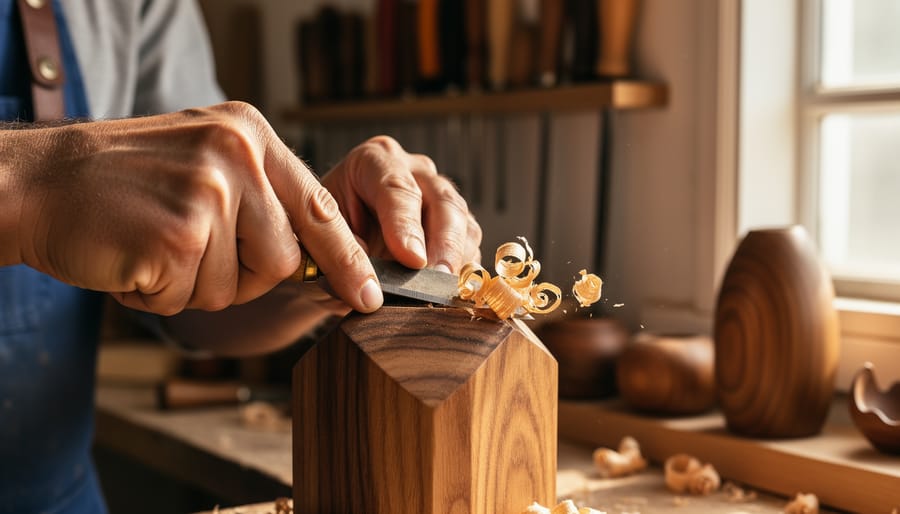
When you pick up a handcrafted ceramic vase or run your fingers across a hand-woven textile, you’re holding something that embodies far more than its physical form. The price tag reflects a complex web of factors that mass production simply can’t replicate.
- Premium materials sourced ethically and sustainably, often from specialized suppliers
- Dozens or hundreds of hours of meticulous labor for a single piece
- Years of specialized skill development and mastery of traditional techniques
- Small-batch production that ensures quality control and uniqueness
- Fair trade practices that pay artisans living wages for their expertise
Consider that a potter throws, trims, glazes, and fires each bowl individually, a process spanning days or weeks depending on complexity. Unlike factory pieces stamped out in minutes, handcrafted items require the maker’s full attention at every stage. That artisan has likely spent years perfecting their craft, investing in training, tools, and workshop space.
The materials themselves tell a story. Many artisans choose sustainable hardwoods over cheap particleboard, natural dyes instead of synthetic chemicals, and locally-sourced clay or fibers that reduce environmental impact. These choices cost more but result in pieces that last decades rather than seasons.
What you’re really investing in is durability that outlasts trends, authenticity that can’t be replicated, and the assurance that your purchase supports someone’s livelihood rather than a corporate bottom line. A handcrafted dining table might cost three times more than a big-box alternative, but it will likely serve your grandchildren while the mass-produced version heads to a landfill. That’s not just better value, it’s responsible consumption that honors both craft and planet.
Popular Handcrafted Home Decor Styles in 2026
Cultural Artisan Traditions
Global crafting traditions are experiencing a renaissance in 2026, with collectors seeking pieces that connect them to centuries-old techniques. Moroccan artisans weave intricate geometric patterns into wool wall hangings using looms unchanged for generations, creating texture-rich focal points that anchor living spaces. Portuguese azulejo tiles, hand-painted with cobalt blue motifs, are being commissioned for kitchen backsplashes and entryway accents, each tile bearing subtle variations that prove human hands guided every brushstroke.
Japanese wood carving traditions inform contemporary furniture design, with craftspeople spending years mastering kumiko lattice techniques that require no nails or glue. Mexican Talavera pottery brings vibrant color palettes into modern homes, while Indian block-printed textiles offer artisan-made alternatives to factory-produced soft furnishings. These pieces work beautifully alongside traditional decor aesthetics when thoughtfully curated.
What sets cultural artisan work apart is the preservation of technique. A Berber rug requires months to complete, with patterns carrying symbolic meanings passed through families. Scandinavian carved wooden bowls emerge from single blocks of birch, shaped by hand tools that respect the grain. These aren’t mere decorative objects, they’re tangible links to cultural heritage, bringing global craftsmanship traditions into your home.
Contemporary Artisan Movements
Today’s artisan makers are rewriting the rules of handcrafted design, merging time-honored techniques with bold contemporary aesthetics that feel fresh and relevant. These modern craftspeople aren’t simply copying ancestral methods, they’re reimagining them through a 2026 lens, creating pieces that bridge heritage and innovation.
Minimalist ceramics lead this movement, with makers stripping traditional pottery down to essential forms and muted, organic glazes. Think hand-thrown vessels with deliberate asymmetry, raw clay textures left visible, and sculptural pieces that double as functional art. Abstract fiber artists are similarly pushing boundaries, weaving wall hangings that abandon traditional patterns for freeform compositions using unexpected materials like recycled textiles, metallic threads, and natural plant fibers.
Reclaimed wood artisans exemplify sustainable craftsmanship, transforming salvaged barn beams, factory flooring, and driftwood into statement furniture and sculptural installations. These pieces often pair beautifully with industrial decor, where raw materials and honest construction create visual dialogue. The wood’s weathered patina and embedded history become the design story itself.
Sustainable textile makers round out the contemporary artisan landscape, hand-dyeing fabrics with plant-based pigments, block-printing linens using carved wooden stamps, and embroidering pillows with modern geometric patterns. Many incorporate zero-waste techniques, ensuring every scrap serves a purpose. What unites these movements is intentionality, every mark, texture, and imperfection reflects conscious creative decisions rather than assembly-line uniformity.
Where to Find Authentic Handcrafted Decor
Maker Fairs and Artisan Markets
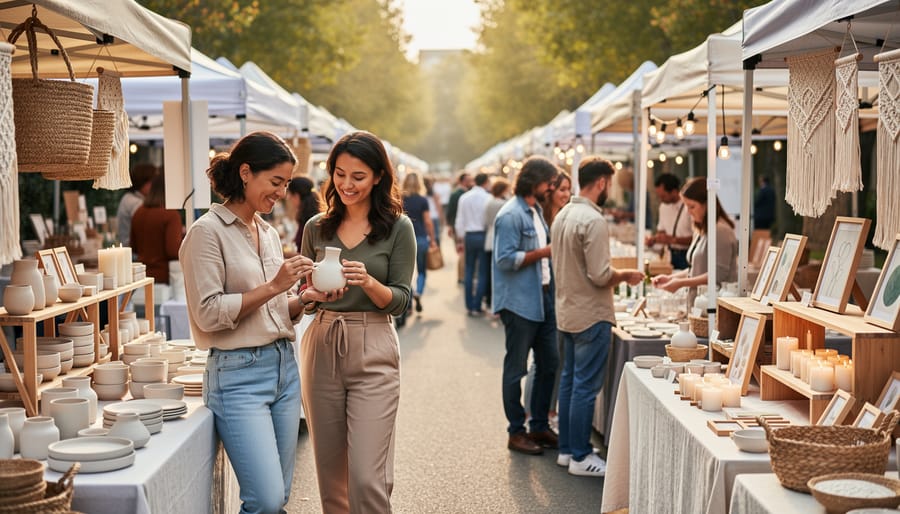
Maker fairs pop up in communities worldwide, offering direct access to artisans and their work. Start your search locally through event listings, community boards, and social media groups focused on handmade goods. Many fairs run seasonally, spring and fall often bring the biggest selections as makers prepare for gift-giving seasons.
In 2026, events like the Village Makers Fair (August 1 at Ancient Lore Village, 10am-2pm) and the Handmade Crafts & Vendor Fair (August 21 in Historic Downtown Chatham, Ontario) showcase local talent and give you the chance to meet creators face-to-face. These intimate settings let you ask questions, learn about techniques, and understand the story behind each piece before you buy.
When you arrive, take a full walk-through first before purchasing. Notice which booths draw you back, that’s where your aesthetic truly connects with the maker’s vision. Look for variety in the maker’s portfolio and consistency in craftsmanship. Pieces should show deliberate skill, not accidental variation.
Talk with the artisans themselves. Ask about their process, materials, and inspiration. Genuine makers love discussing their craft and can explain why they chose specific techniques or finishes. This conversation reveals authenticity and helps you understand what you’re investing in.
Bring cash when possible, many individual makers prefer it and some offer small discounts for cash purchases. Arrive early for the best selection, but late afternoon sometimes brings price negotiations as makers prepare to pack up. Take business cards from artisans whose work resonates with you, even if you don’t buy immediately. Building these connections opens doors to custom commissions and future purchases.
Online Artisan Platforms and Direct-from-Maker Shopping
The digital marketplace has opened unprecedented access to makers worldwide, but navigating it requires knowing where authentic craftsmanship thrives. Established platforms like Etsy remain popular, yet discerning shoppers now favor more curated alternatives. Sites such as Uncommon Goods, Made Trade, and The Citizenry specifically vet artisans and prioritize transparent sourcing, making it easier to verify you’re purchasing genuine handcrafted work rather than mass-produced items marketed as handmade.
Buying directly from makers offers distinct advantages. When you purchase through an artisan’s own website or social media shop, more money goes straight to the creator, eliminating platform fees that can reach 15-20%. You’ll often find exclusive pieces not listed elsewhere, plus the opportunity to request custom variations or discuss your specific needs. Many artisans share their process through Instagram, TikTok, or YouTube, letting you watch pieces take shape before committing to a purchase. This transparency builds trust and connection you simply won’t get from anonymous marketplace listings.
Direct shopping does require more research upfront. Look for makers who consistently document their work-in-progress, respond to questions promptly, and maintain clear policies on shipping and returns. Read through their bio and artist statements to understand their training, techniques, and design philosophy. A maker willing to share their story and process is almost always offering genuine handcrafted work worth your investment.
How to Spot Genuine Handcrafted Work
Learning to identify authentic handcrafted pieces protects your investment and ensures you’re supporting real artisans rather than companies slapping “handmade” labels on factory goods. The distinction matters more than ever as manufacturers catch on to consumers wanting to avoid mass-market decor.
Start with the surface. Genuine handcrafted items show subtle variations, hand-thrown ceramics won’t be perfectly symmetrical, woven textiles may have slight irregularities in tension, and hand-painted designs reveal brushstrokes rather than crisp, identical patterns. These “imperfections” are your first clue. If ten pieces look machine-identical, they probably are.
Flip items over and examine undersides, backs, and seams. Real makers often sign their work, stamp it with a maker’s mark, or at minimum leave evidence of hand construction. Look for tool marks, uneven glaze on pottery bases, hand-stitched seams in textiles, or saw marks on woodwork. Mass production hides these traces.
Ask sellers direct questions: Who made this? Where is their studio? Can you share their story or show their process? Legitimate artisans love talking about their makers. Vague answers like “made by local artisans” without specifics should raise doubts. Request photos of the maker at work or their studio space.
Watch for red flags. Suspiciously low prices for labor-intensive work, enormous inventory of “one-of-a-kind” pieces, perfect uniformity across items, and sellers who can’t name the actual craftsperson all signal mass production masquerading as handmade. Trust your instincts, if something feels too polished, too cheap, or too available in bulk, it likely didn’t come from an artisan’s hands.
Incorporating Handcrafted Pieces Into Your Home
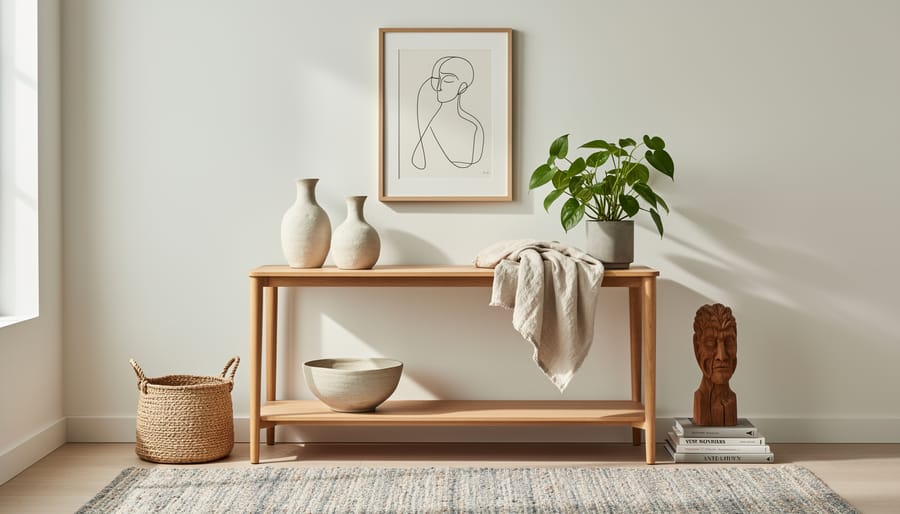
Start small and let one or two artisan pieces anchor each room rather than filling every surface. A handwoven textile draped over a neutral sofa or a set of hand-thrown ceramic vases on a simple console creates visual interest without clutter, especially when paired with minimalist decor that gives handcrafted items breathing room.
When mixing cultural styles, look for common threads like color palette, material, or texture. Japanese pottery can sit beautifully alongside Scandinavian wood pieces if they share earthy tones and clean lines. Moroccan textiles work with contemporary furniture when you pull accent colors from the weaving into your pillows or throws. The key is finding visual harmony rather than matching everything perfectly.
Group smaller handcrafted pieces in odd numbers (three candles, five small bowls) on open shelving or coffee tables to create intentional vignettes. Leave negative space around these arrangements so each piece can be appreciated individually. If you’re displaying wall art, give handmade fiber work or ceramics prime real estate at eye level where the craftsmanship details are visible.
Balance is about proportion. A large hand-carved mirror or tapestry needs room to command attention, so keep surrounding decor understated. Conversely, delicate items like hand-painted tiles or small sculptures benefit from being clustered or positioned against solid-colored backgrounds that don’t compete visually.
Rotate your handcrafted pieces seasonally. Swap out textiles, switch which pottery you display, or move wall hangings to different rooms. This keeps your space feeling fresh while giving you a chance to appreciate different artisan work throughout the year without overcrowding any single area.
Supporting Makers: The Ripple Effect
When you choose a handcrafted piece for your home, you’re doing more than filling a spot on your wall or shelf. You’re participating in an economic model that keeps traditional skills alive and communities thriving.
Every purchase from an independent maker supports their livelihood directly, allowing artisans to continue perfecting their craft rather than abandoning it for more conventional employment. This direct support means fair compensation, makers receive the full value of their work instead of a fraction from wholesale channels. In an era where factory production dominates the $139B home decor market, your investment helps sustain the makers who preserve centuries-old techniques that might otherwise vanish.
The ripple extends beyond individual artisans. When you buy locally made decor, you’re strengthening your regional economy. Money spent on handcrafted goods tends to circulate within communities longer than purchases from large retailers, funding other local businesses and services. Artisan markets and maker studios become cultural anchors, drawing visitors and creating gathering spaces where craft traditions get passed down through workshops and apprenticeships.
There’s also an environmental dimension. Handcrafted decor typically involves smaller production runs, less packaging, shorter supply chains, and materials sourced more thoughtfully than mass manufacturing allows. Many contemporary makers prioritize reclaimed materials and sustainable practices, reducing waste while creating beautiful objects.
Perhaps most valuable is the human connection. When you know the maker’s name, understand their process, and hear the story behind a piece, you develop a relationship that changes how you interact with your belongings. These connections foster appreciation for craftsmanship across generations and cultures, building bridges between maker communities and the people who welcome their work into daily life. Your home becomes a curator of these stories, each piece carrying forward traditions while supporting the hands that shape them.
Choosing handcrafted home decor isn’t just about filling spaces, it’s about curating a home that reflects who you are and what you value. Each artisan piece you bring into your space carries intention, skill, and a story that mass-produced items simply can’t replicate. Yes, you’ll invest more upfront, but you’re gaining furniture and decor that will outlast trends, age beautifully, and become more meaningful over time.
As you build your collection, trust your instincts. The right handcrafted piece will resonate with you in a way that goes beyond aesthetics. Maybe it’s the texture of hand-thrown pottery, the warmth of carved wood, or the vibrant patterns in woven textiles that speak to your heritage or aspirations. These aren’t just purchases, they’re conscious choices that transform your home into a gallery of lived experiences and authentic craftsmanship.
Start small if you need to. One statement ceramic vase or a single hand-carved bowl can shift the entire energy of a room. The beauty of handcrafted decor is that it rewards patience and discernment, allowing you to build a home filled not with stuff, but with soul.
